
Protect your home from fire: tips, fire protection and safety measures
Protecting your home against fire is an investment in safety and security for the whole family. It is not only about preventing risks, but also about knowing how to act if an accident happens. Here we go through the most important steps to fireproof your home.
Why is fire safety important?
Home fires can start for many different reasons, including electrical faults, cooking incidents and carelessness with candles. According to statistics from the Swedish Civil Contingencies Agency (MSB), thousands of home fires occur every year in Sweden. By taking preventive measures, you can reduce the risk of a fire starting and improve your preparedness if something goes wrong.
1.Install smoke alarms – A life-saving measure
Smoke alarms are one of the most important investments you can make for your home and your family. They are easy to install, affordable and can give you vital time to react in a fire. According to the Swedish Civil Contingencies Agency (MSB), smoke alarms significantly reduce the risk of serious personal injury, as they warn early of smoke development.
To ensure maximum safety, smoke alarms should be placed strategically:
- All bedrooms: To wake sleeping people in the event of a fire.
- Kitchen and living room: Where the risk of fire is often higher due to cooking or electrical appliances.
- Hallways and corridors connecting bedrooms: To warn as early as possible if a fire spreads.
Smoke alarms should be tested monthly by pressing the test button. Replace batteries at least once a year, or choose a modern model with a 10-year battery to reduce the need for maintenance.
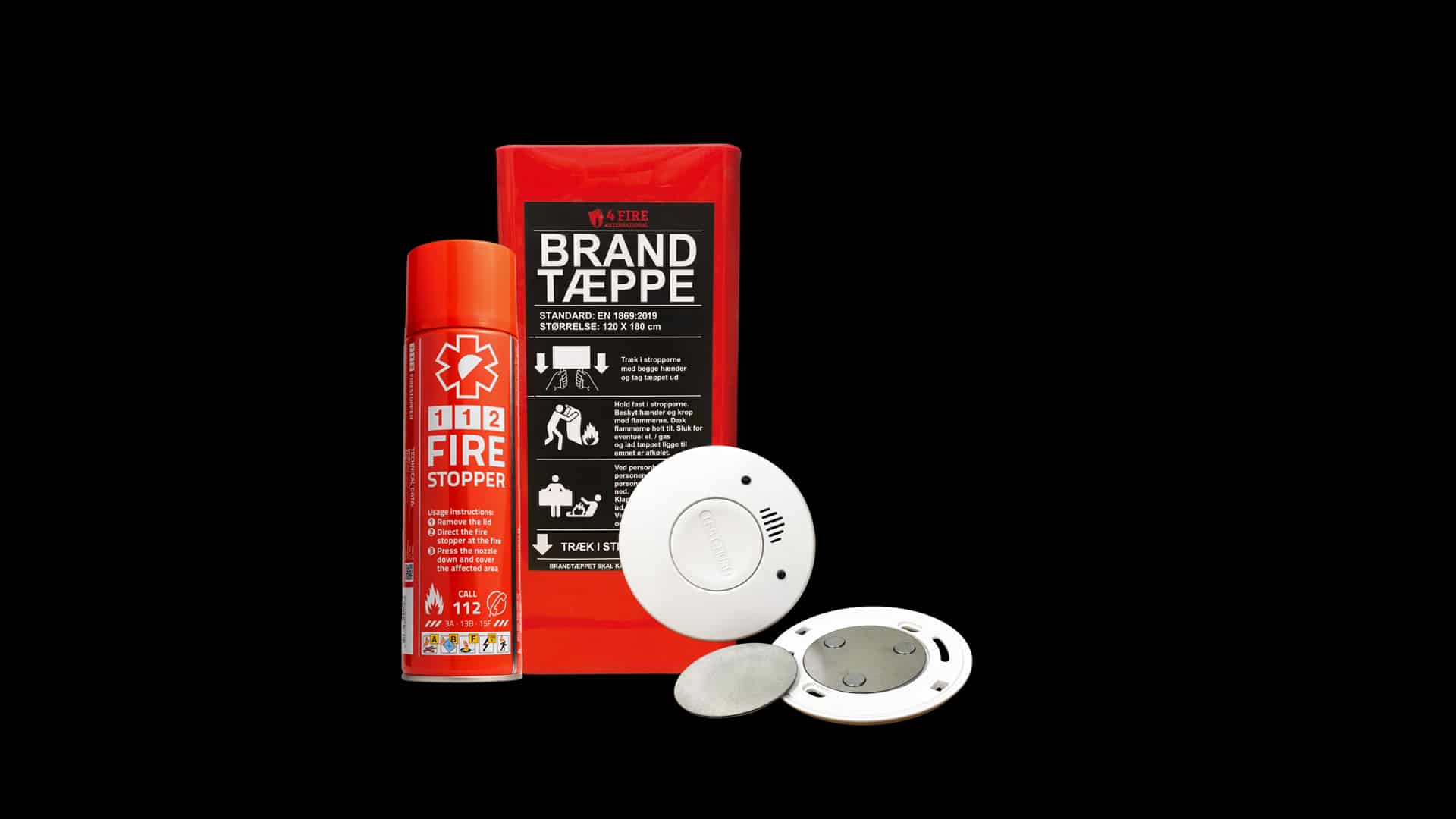
For easy installation and reliability, our 4fire Smoke Alarm offers an innovative mount that lets you place it anywhere without tools. It also has a long battery life of 10 years, making it a convenient and sustainable option.
Having working smoke alarms in the right places can be the difference between life and death. Protect your home and your family by installing smoke alarms today. Explore our smoke alarms and make sure your home is prepared.
2. Invest in fire extinguishers
A good fire extinguisher can be decisive in a critical situation. A 6 kg powder extinguisher is recommended for the home because they are effective against:
- Fires in solid materials such as wood and textiles.
- Fires in liquids such as oil and petrol.
- Electrical fires.
A major drawback of a powder extinguisher is that the powder left after a fire is extremely difficult to remove, and it leads to large costs for insurance companies every year. The powder spreads quickly throughout the room and it will be very hard to see anything while the fire is being extinguished, especially in small spaces.
How to clean up after a powder extinguisher
After a powder extinguisher has been used, it is important to carry out a thorough clean-up. Powder from fire extinguishers can damage electronics, surfaces and air quality if it is not removed correctly. Below is a detailed guide to how you should proceed, and what can happen if clean-up is skipped.
Step 1: Protect yourself
Powder from fire extinguishers can irritate skin, eyes and airways. Use protective gloves, a face mask and safety goggles.
Step 2: Gather tools
- Vacuum cleaner with HEPA filter (to avoid spreading the powder into the air).
- Damp cloth or mop.
- Mild cleaning agent.
Step 3: Prepare the surface
Do not try to sweep the powder, as this can cause particles to spread into the air. First vacuum carefully with a vacuum cleaner fitted with a HEPA filter.
Step 4: Clean with moisture
Use a damp cloth or mop to wipe away the residue. Powder from fire extinguishers is often based on ammonium phosphate or sodium bicarbonate, which can react with water, so clean gently and dry thoroughly afterwards.
Step 5: Check electronics
If powder has come into contact with electronics, it can cause corrosion. Let a professional service technician handle the cleaning of electronic equipment.
Step 6: Ventilate the space
Make sure to air the room properly to get rid of any powder particles that may have spread.
What happens if you do not clean up?
If powder from a fire extinguisher is not cleaned up, it can lead to several problems:
- Corrosion: Ammonium phosphate in powder can cause corrosion on metal surfaces and electronics.
- Irritation: Powder particles in the air can irritate airways and cause allergic reactions.
- Damage to surfaces: Powder can stain or damage furniture and floors if it is not removed quickly.
- Functional problems: Electronic appliances exposed to powder may stop working or short-circuit.
According to the Swedish Fire Protection Association (Brandskyddsföreningen), clean-up of powder from fire extinguishers should be carried out immediately to minimise damage and health risks. You can read more about their advice and guidelines on the Brandskyddsföreningen website.
This is where a small fire extinguisher such as the 112 model comes in as a smarter alternative.
Advantages of a small 112 fire extinguisher
- Handy and easy to use: A small 112 fire extinguisher is easy to handle, even for people without previous experience. That reduces the risk of mistakes in a stressful situation
- . Minimal clean-up needed: This type of extinguisher is designed to cause as little damage as possible to the surroundings. That means you avoid the extensive clean-up process that a powder extinguisher requires.
- Effective as a first response: The 112 fire extinguisher is perfect as a first response for smaller fires in the home, for example:
- - Grease fires in the kitchen.
- - Smaller electrical fires.
- - Smouldering materials such as fabric or paper.
- Easy to store: Thanks to its compact size, a 112 fire extinguisher can easily be placed in strategic locations such as the kitchen, bedroom or by the entrance without taking up too much space.
Economic and practical benefits
A major advantage of a 112 fire extinguisher is that it saves both time and money in the long run. Because it requires minimal clean-up after use, you can avoid expensive repairs and replacement costs. Insurance companies estimate that many of their costs for fire clean-up can be linked directly to the use of powder extinguishers.
Recommendation
Have at least one 112 fire extinguisher in the kitchen and another by the main entrance, where it is easy to reach in the event of a fire. The advantages of the small fire extinguisher make it an excellent complement to a larger powder extinguisher that can be used for larger fires.
Read more and buy the 112 fire extinguisher here to make sure you are ready to handle fires in the home effectively and safely.Have at least one fire extinguisher in the kitchen and another by the main entrance.
3. Use fire blankets
Fire blankets are simple, effective and reliable tools for extinguishing smaller fires and protecting yourself during evacuation. They are especially useful in the kitchen, where grease fires are one of the most common causes of fires. Grease fires cannot be extinguished with a powder extinguisher, and this can worsen the fire and spread the flames further. Here a fire blanket is a safer alternative because it smothers the fire by blocking the oxygen supply.
Why are fire blankets important?
Fire blankets leave no residue or damage after use, which makes them particularly suitable in spaces where you want to avoid unnecessary clean-up. They are not only effective against smaller kitchen fires but also work as protection for yourself during an evacuation, as they can protect against heat and flames if you hold them in front of you or put them over yourself.
Placement and combining with a 112 fire extinguisher
For maximum protection in the kitchen, a combination of a fire blanket and a 112 fire extinguisher is recommended. Unlike powder extinguishers, which cannot be used against grease fires, the 112 fire extinguisher is designed to extinguish all types of fires, including:
- Grease fires
- Electrical fires.
- Fires in solid materials and liquids.
This makes it a perfect complement to a fire blanket, as it can be used both as a first response and to handle larger fires if the situation escalates.
Place fire blankets strategically where the risks are greatest:
- In the kitchen: Near the stove for quick action in grease fires.
- By stoves and fireplaces: To handle sparks or smaller fires.
- In the garage or workshop: To quickly smother smaller fires.
Train the whole family
Make sure everyone in the household knows how to use both a fire blanket and a fire extinguisher. Practising how to use these tools quickly and correctly can be decisive in an emergency.
Recommendation
A fire blanket and a 112 fire extinguisher together form complete protection for the kitchen and other risk areas in the home. Read more and discover our recommended fire blankets and 112 fire extinguisher to create a safer home.
4. Create an escape plan
Having a clear and well-thought-out escape plan is crucial for saving lives in the event of a fire. When a fire breaks out, stress and panic can make it difficult to act rationally, but with a well-prepared plan everyone in the household knows exactly what to do. Here is a step-by-step guide to creating an effective escape plan, based on recommendations from the Swedish Civil Contingencies Agency (MSB) and the Swedish Fire Protection Association.
Step 1: Identify clear escape routes
Map all rooms in the home and make sure there are at least two possible escape routes from each space, if possible. Doors and windows are the most common escape routes. Check that windows can be opened easily and that nothing blocks the doors. For apartment buildings or homes with several floors, a fire escape ladder can be a decisive investment to enable safe evacuation from the upper floor. MSB recommends always keeping escape routes clear and testing them regularly.
Step 2: Decide on a meeting place outside the home
A shared meeting place helps you quickly check that everyone in the household has got out unharmed. This place should be far enough from the house to avoid danger, yet still easy to find – for example by a letterbox, a tree or a neighbour’s driveway.
Step 3: Routines for children, elderly people and pets
It is important to remember that some people in the household may need extra help. Designate an adult to be responsible for small children, elderly people or people with disabilities. For pets, their carriers or leads can be stored near the escape routes to make evacuation easier. According to the Swedish Fire Protection Association, it is crucial to plan in advance for these circumstances to avoid panic in a critical situation.
Step 4: Practise the plan regularly
An escape plan is only effective if everyone in the family knows how to follow it. MSB suggests carrying out fire drills at least once a year. Simulate different scenarios, for example that one of the primary escape routes is blocked, and practise quickly finding alternative ways out. By practising regularly, the plan becomes a natural part of the family’s safety mindset.
Bonus: Learn fire safety
In addition to practising the escape plan, it is important to educate the whole family in fire safety. Teach children never to hide during a fire and explain the importance of staying low near the floor to avoid smoke. The Swedish Fire Protection Association offers resources and training that can help.
5. Store hazardous materials safely
Storing matches, lighters and flammable liquids correctly can prevent accidents. According to MSB, many fires are the result of carelessness or incorrect handling of flammable materials.
Matches and lighters
Store matches and lighters out of reach of children, preferably in lockable cupboards or high up on a shelf. Teach children about the dangers of fire and explain why these objects are not toys.
Flammable liquids
Chemicals such as petrol, white spirit and solvents should always be stored in their original packaging in a cool, well-ventilated space, far from heat sources. Avoid storing large amounts of flammable liquids indoors. The Swedish Fire Protection Association recommends using approved safety containers for storage.
Clear routines
Make sure lids on containers are always properly closed and that any leaks are cleaned up immediately. Clean the area and ventilate the space to minimise risks.
6. Maintain electrical appliances
Electrical problems are one of the most common causes of home fires. Regular maintenance of cables, sockets and appliances is crucial to reducing the risk.
Inspect cables and plugs
Regularly check that cables and plugs do not have cracks, burn marks or loose connections. If you discover damage, replace them immediately. Never use an appliance with a damaged cable.
Avoid overloading electrical sockets
According to MSB, overloaded sockets are a common cause of fire. Use extension strips with built-in surge protection and distribute power-hungry appliances across several sockets.
Clean and maintain
Regularly vacuum behind and under heat-generating appliances such as radiators, refrigerators and TVs to avoid dust build-up, which can overheat and cause fire.
Professional help
If you suspect problems with your electrical system, such as recurring fuse problems or strange sounds from sockets, contact a qualified electrician. Never try to fix electrical faults yourself unless you have the right competence.
Creating a fire-safe home is about being prepared and acting proactively. By combining preventive measures such as smoke alarms, fire extinguishers and fire blankets with a clear escape plan, you can protect both lives and property. Regular practice and maintenance of equipment is the key to acting quickly and correctly if an accident should happen. Safe storage of flammable materials and careful checking of electrical appliances also help minimise the risks. Remember that small efforts can make a big difference when it comes to fire safety. By prioritising these measures, you create a safer and more secure environment for you and your family. Start today – for your safety and that of those closest to you.
Related posts
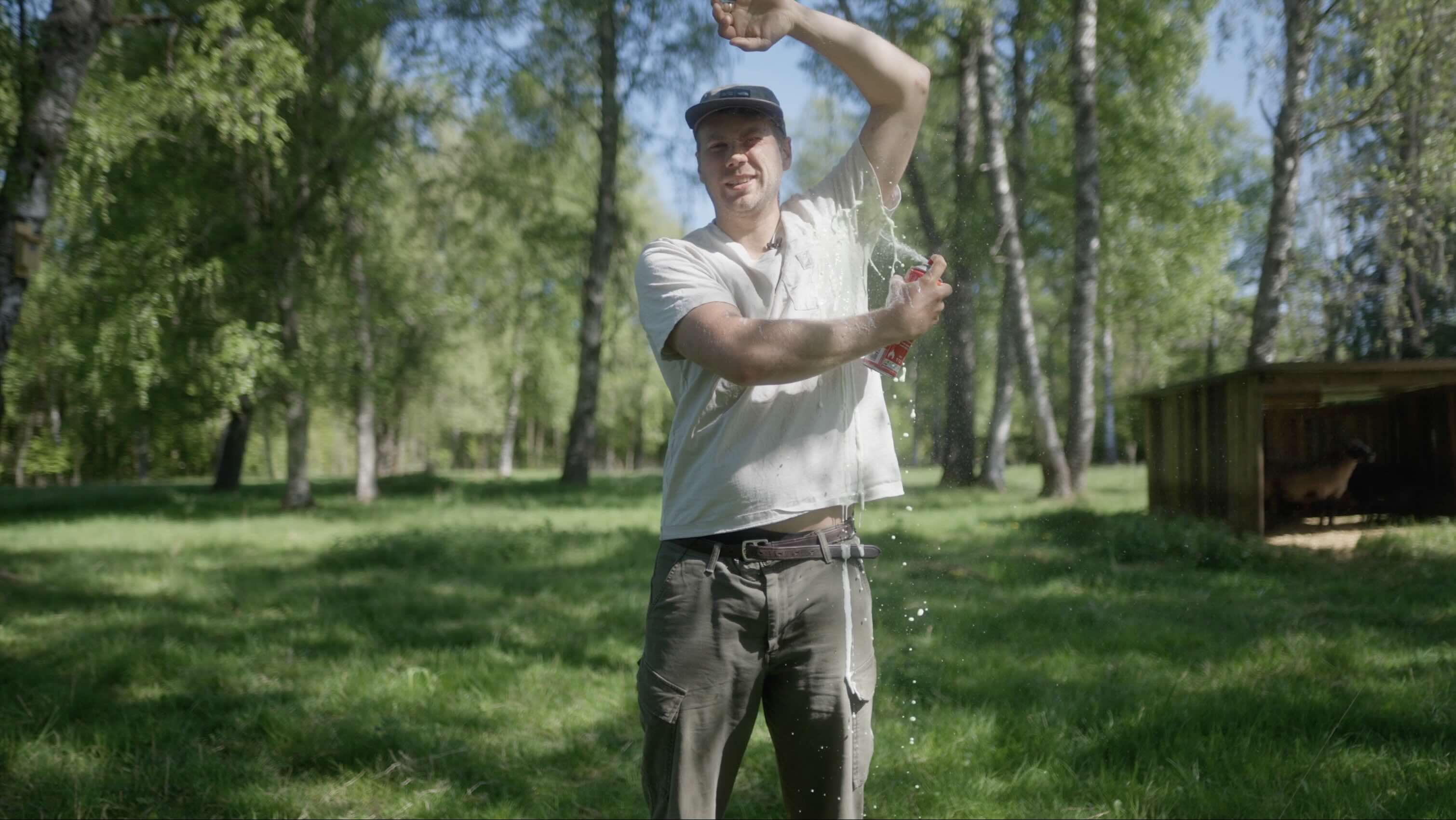
Why am I spraying myself with a fire extinguisher under the arm?
Because the 112 fire extinguisher is approved for use on people – safe, easy and effective in real emergencies.
2 min read
How to avoid fires at Christmas – tips and tricks
Christmas tips to cut fire risk: candles, cooking, blankets and a 112 extinguisher within reach.
4 min read
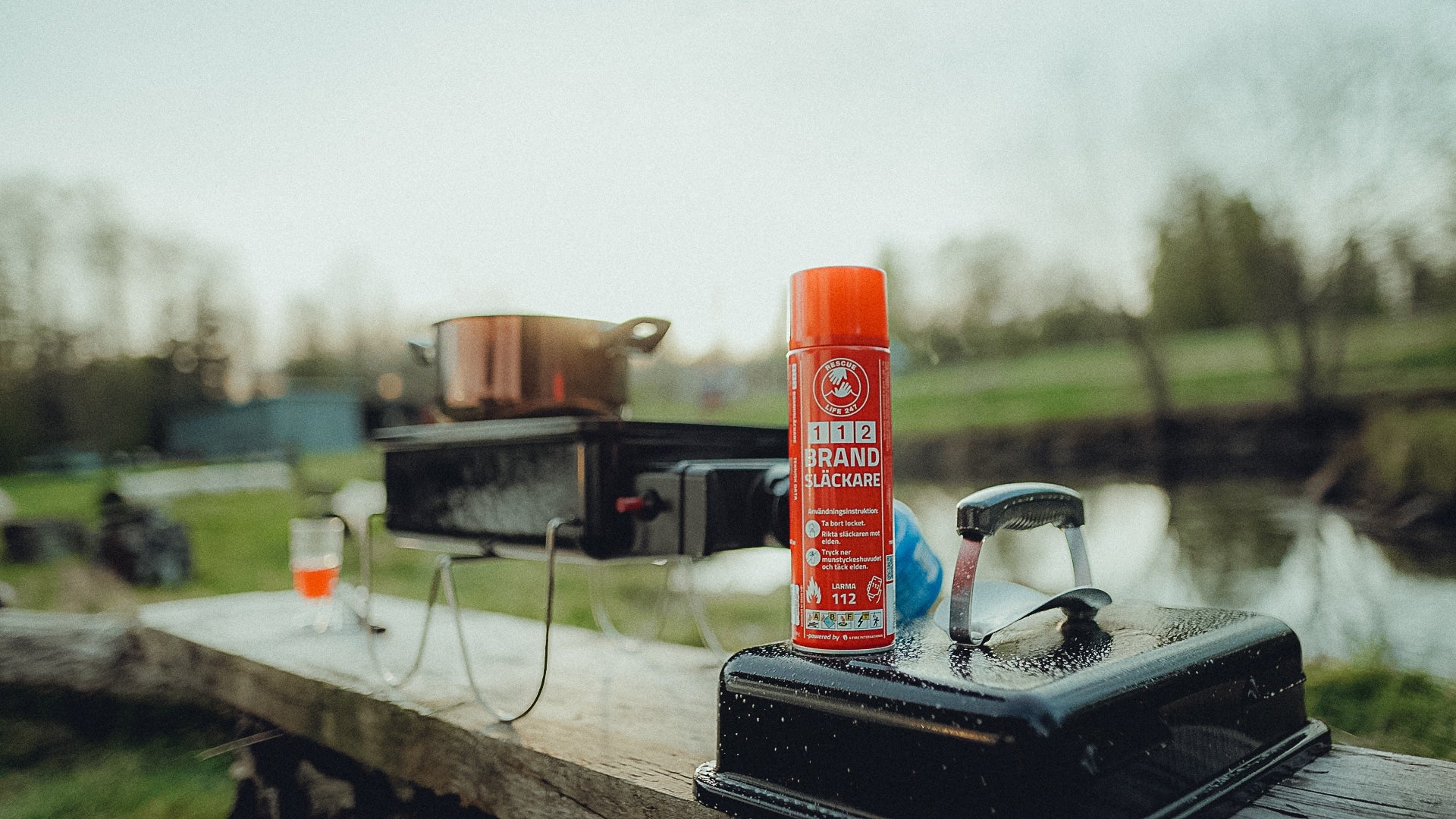
6 things that make the 112 Fire Extinguisher unique
Six reasons the 112 fire extinguisher stands out: safe on people, works any angle, frost-proof and easy to use.
3 min read